
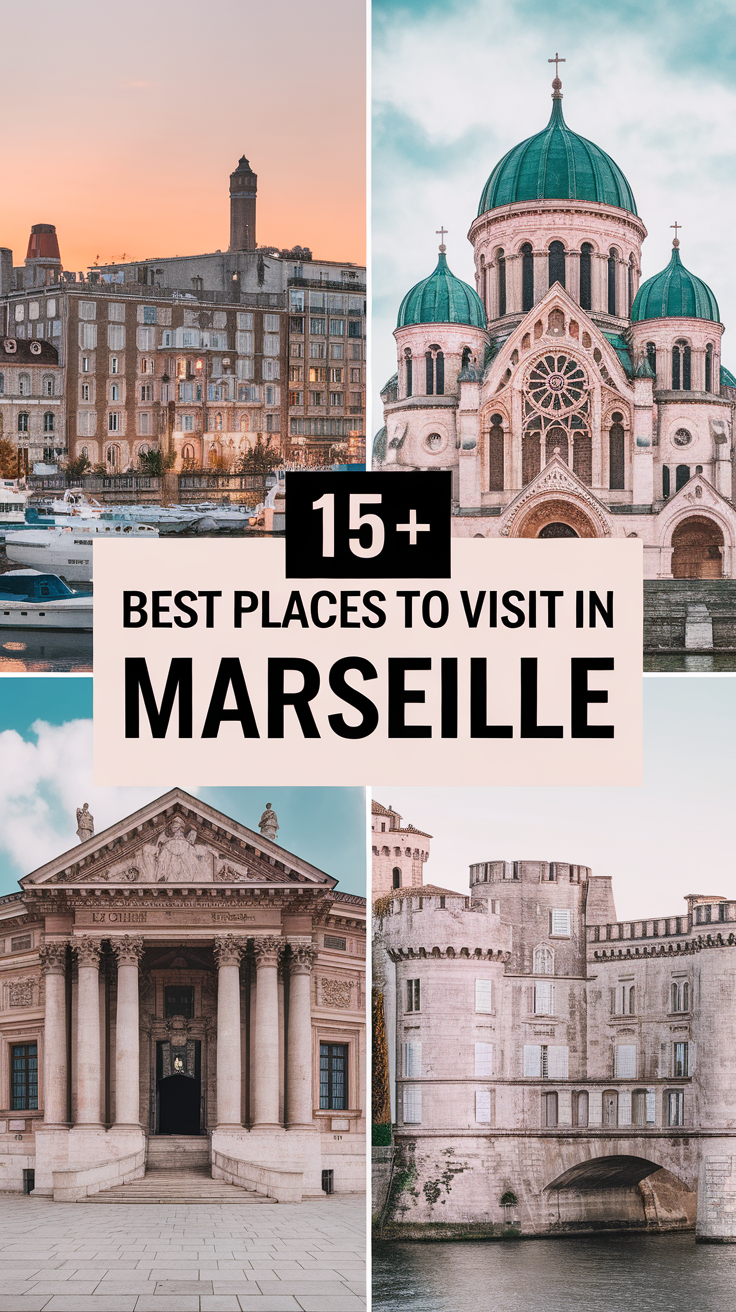
Alright, let’s clear the air about Marseille. You might have heard it’s gritty, a bit rough around the edges, or just a transit hub for the French Riviera. But here’s the real story: Marseille isn’t trying to be a polished postcard.
It’s a raw, authentic, and utterly magnetic port city where ancient history collides with modern energy.
Founded by Greek sailors 2,600 years ago, it’s a cultural melting pot with a rebellious streak, incredible food, and some of the most stunning coastal scenery in all of Europe. If you skip it, you’re missing France’s beating heart on the Med.
Get ready to discover a city that’s full of soul and surprises. We’re going past the old rumors to show you the absolute best places to visit in Marseille.
This is your guide to the city’s true character, from a fortress guarding the harbor to secret calanques with water so blue it doesn’t look real.
Whether you’re a history hunter, an outdoor adventurer, or a traveler who loves places with real personality, Marseille is calling your name. Let’s explore the top Marseille attractions and sights.
1. Soak in the View from Basilique Notre-Dame de la Garde
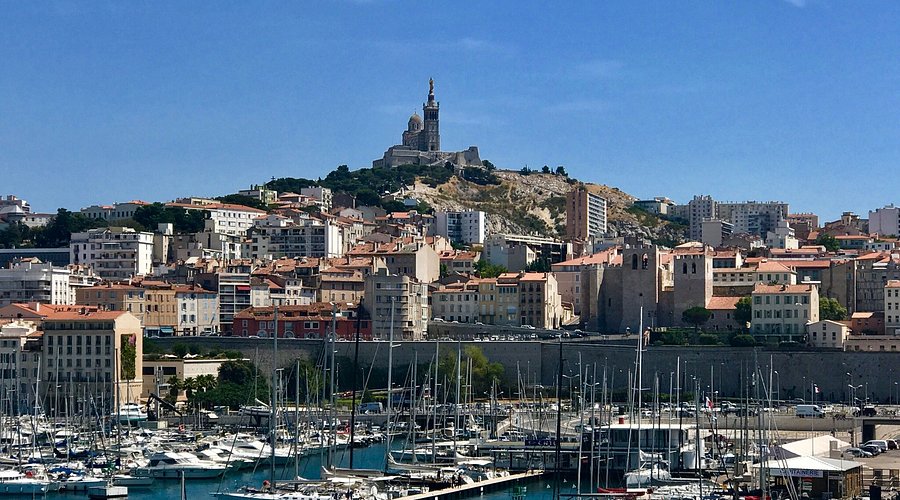
Perched on the city’s highest point, Basilique Notre-Dame de la Garde isn’t just a church; it’s the protector of Marseille. Locals call her “La Bonne Mère” (The Good Mother). You can see her golden statue gleaming from almost anywhere in the city.
The hike or ride up is worth it for the view alone. From the terrace, you get a breathtaking 360-degree panorama of the entire city sprawling below, the bustling Vieux-Port, the islands, and the endless blue Mediterranean.
The basilique itself is a stunning mix of Roman-Byzantine architecture. Inside, the walls are covered in thousands of colorful mosaics and marble.
Even more moving are the hundreds of ex-votos—model ships, paintings, and plaques left by sailors and locals giving thanks for safe passage and miracles. Visiting La Bonne Mère is the essential first must-do in Marseille. It’s the spiritual and visual heart of the city.
2. Stroll Through the Colorful Le Panier District
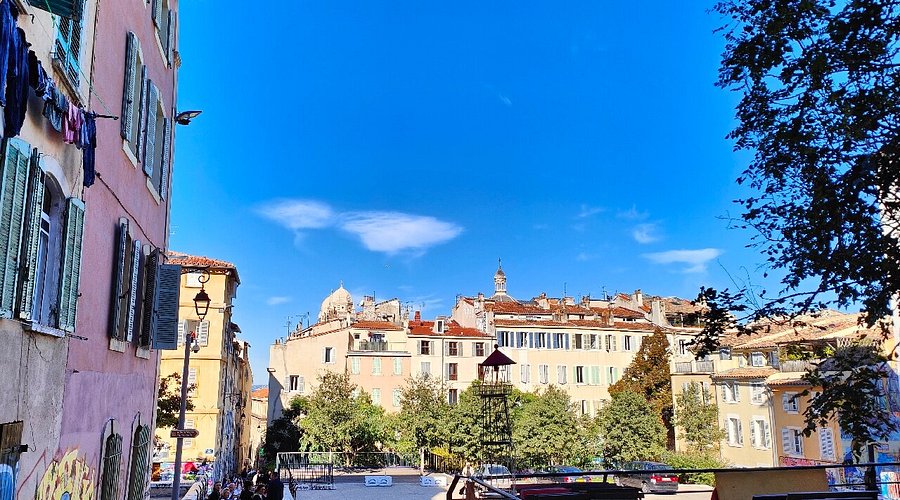
Get lost in the charm. Le Panier is Marseille’s oldest neighborhood, a maze of narrow, steep streets perched on a hill between the Vieux-Port and the sea. This is where the city began.
Today, it’s a vibrant, artsy village within the city. The pastel-colored houses are draped with laundry lines, and every corner reveals a hidden square, a trickling fountain, or a stunning mural from the city’s street art project.
You’ll find small artisan workshops, indie boutiques, and cozy cafes tucked into ancient buildings. Don’t miss La Vieille Charité, a beautiful 17th-century almshouse with a stunning central chapel, now home to museums.
Wandering through Le Panier without a map is the best way to feel the neighborhood’s soul. It’s a top place to visit in Marseille for atmosphere and photographs.
3. Experience the Buzz of the Vieux-Port (Old Port)
The Vieux-Port is where the city’s energy converges. For over 26 centuries, this natural harbor has been the center of Marseille’s life.
While the big fishing boats have moved to a modern port, the Vieux-Port is still buzzing with traditional pointus (small fishing boats), pleasure yachts, and ferries heading to the islands. The quays are lined with cafes and restaurants, perfect for people-watching.
Start your day here at the fish market on the Quai des Belges, where local fishermen sell their morning catch. It’s a lively, noisy, and authentic spectacle.
At the harbor’s entrance, the two massive forts, Saint-Jean and Saint-Nicolas, stand guard. Simply sitting by the water, feeling the sun and the maritime buzz, is a quintessential Marseille experience. It’s the city’s living room.
4. Journey to the Island Fortress of Château d’If
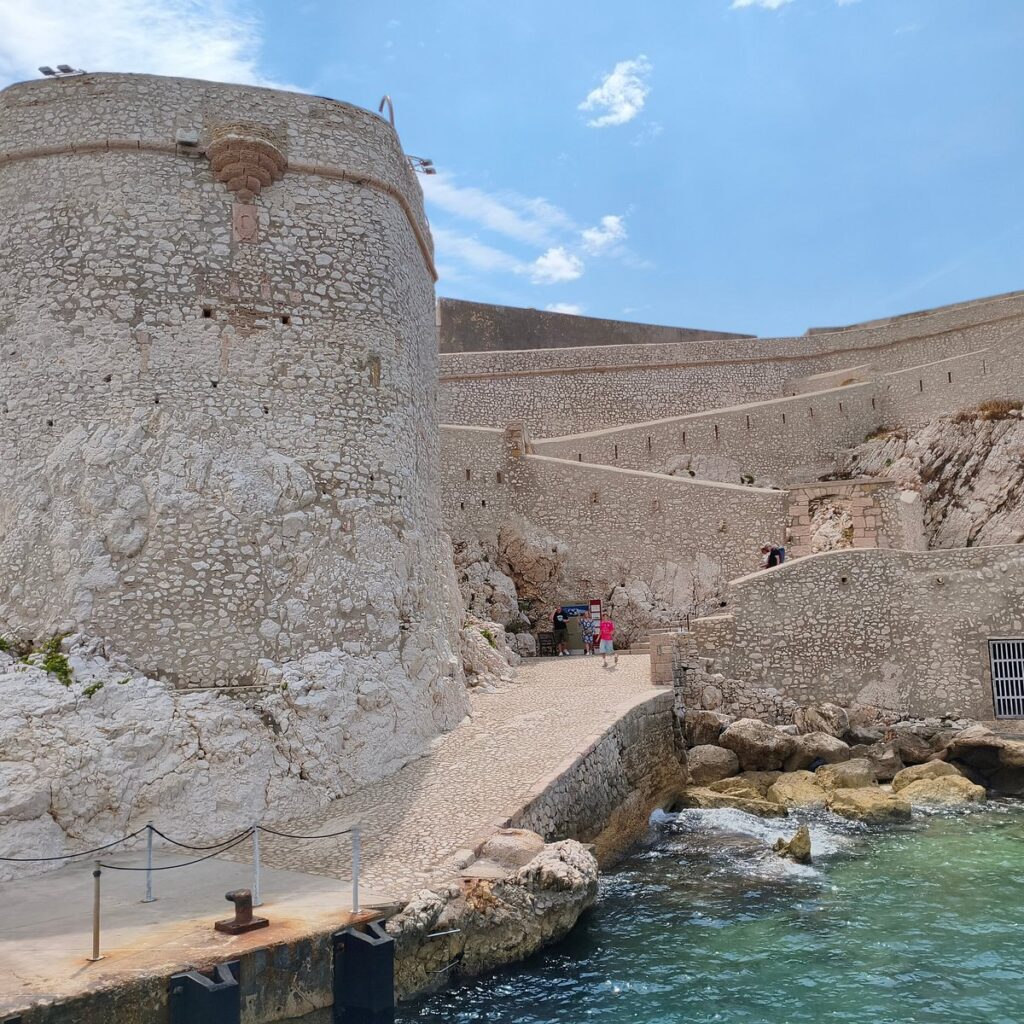
Ever read The Count of Monte Cristo? Then you know this place. The Château d’If is a formidable fortress prison built on a small, rocky island just a 20-minute boat ride from the Vieux-Port.
Built in the 1500s to protect the city, it became famous as a prison for political and religious detainees. The legend of Edmond Dantès, immortalized by Alexandre Dumas, sealed its place in literary history.
Exploring the stark cells, climbing the towers, and hearing the stories of its real-life prisoners is fascinating. But the real reward is the incredible view back toward Marseille from the island walls.
The sea air, the cries of seagulls, and the sense of isolation make you feel the history. A trip to Château d’If is one of the most unique and historical things to do in Marseille.
5. Hike the Dramatic Calanques National Park
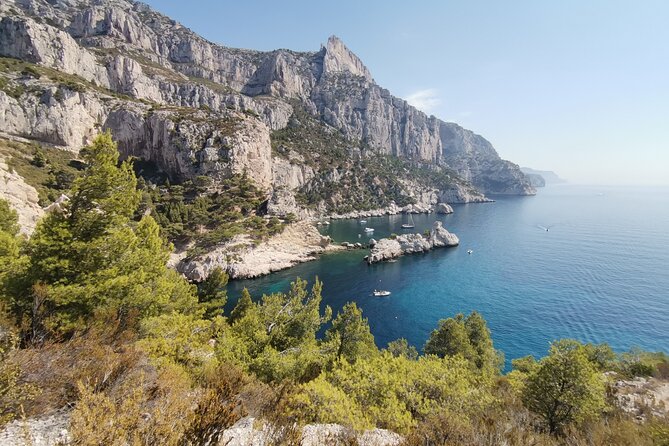
Prepare for nature’s masterpiece. Just southeast of the city lies the Parc National des Calanques, a unique and protected area of stunning white limestone cliffs, deep fjord-like inlets (calanques), and hidden beaches with turquoise water.
It’s a paradise for hikers, climbers, and kayakers. The contrast between the rugged, arid cliffs and the vivid blue sea is unforgettable.
You can hike to accessible calanques like Calanque de Sormiou or Calanque de Morgiou, where small fishing cabanons dot the shore. For a swim in paradise, the Calanque de Sugiton is a popular choice.
Remember, it’s a protected park: bring water, wear good shoes, and take all your trash back. Exploring the Calanques is the ultimate outdoor adventure near Marseille and an absolute must for any active traveler.
6. Discover World Cultures at the Musée des Civilisations de l’Europe et de la Méditerranée (Mucem)
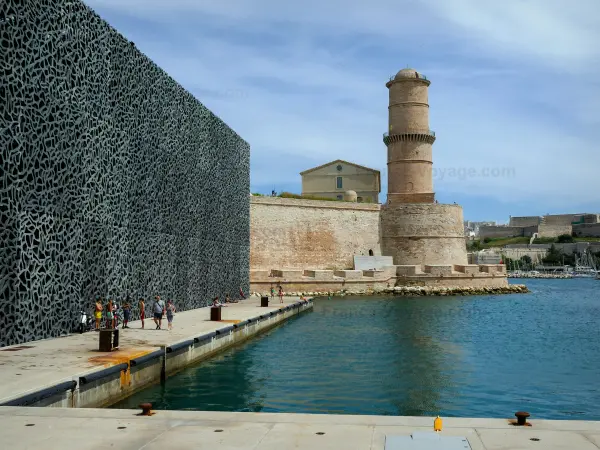
Marseille’s premier modern museum is an architectural symbol of the city’s renewal. The Mucem is entirely dedicated to European and Mediterranean civilizations.
The building itself is a stunning cube of latticework concrete, looking like a delicate lace fortress hovering over the sea. It’s connected to the historic Fort Saint-Jean by a dramatic high footbridge.
The exhibitions are thought-provoking, exploring the social, historical, and artistic connections across the Mediterranean basin.
Even if you skip the exhibits, walking around the museum’s exterior pathways and on the roof is free and offers amazing views. The surrounding Jardin des Migrations is a beautiful Mediterranean garden. Visiting Mucem is a must for culture lovers in Marseille.
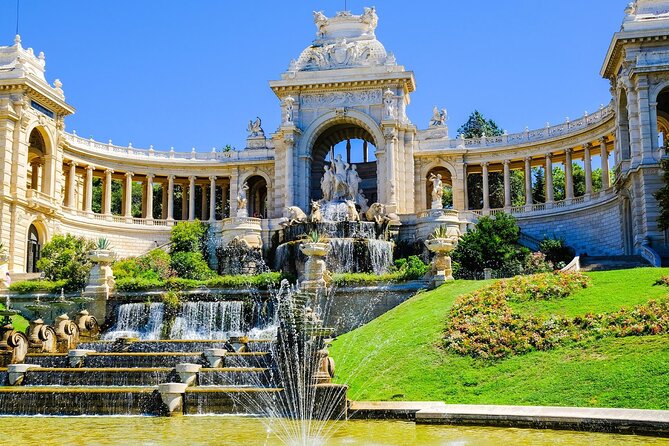
7. Wander Through the Opulent Palais Longchamp
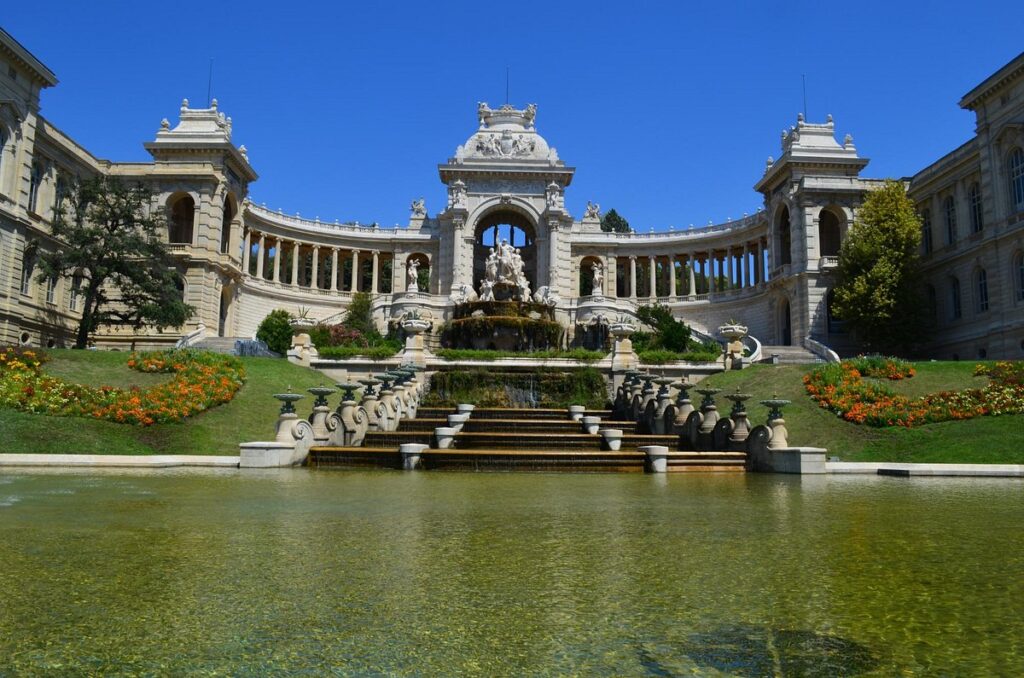
This isn’t just a palace; it’s a monumental celebration of water. The Palais Longchamp was built in the 19th century as the grandiose endpoint of a canal that brought fresh water to the thirsty city.
The centerpiece is a spectacular cascading waterfall and fountain, flanked by two grand wings. It’s a breathtaking example of Napoleonic Third Empire architecture.
One wing houses the Musée des Beaux-Arts (Fine Arts Museum), and the other the Muséum d’Histoire Naturelle (Natural History Museum).
Behind the palace, the Longchamp Park is a lovely green space perfect for a picnic or a stroll. Seeing the Palais Longchamp is a beautiful and historical stop in Marseille that showcases the city’s grand ambitions.
8. Explore the Suburbs at the Unité d’Habitation
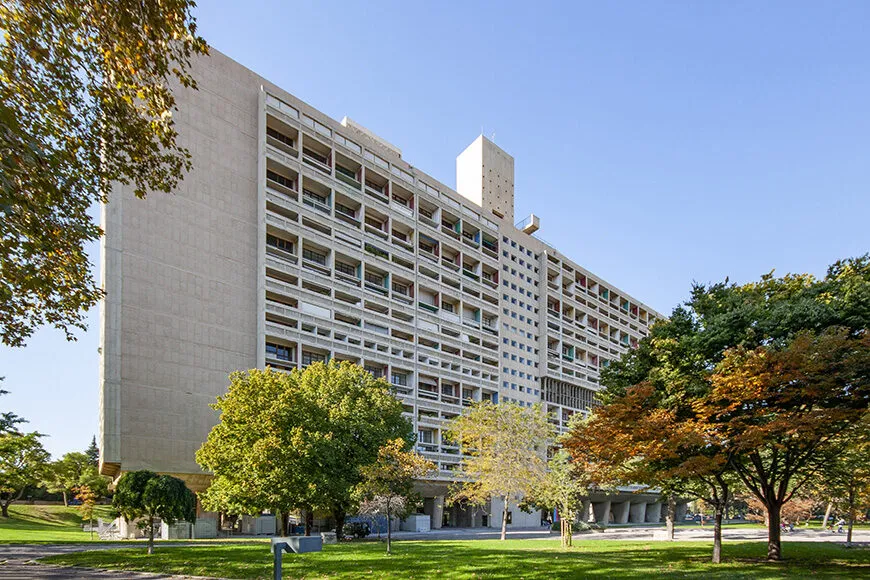
Architecture buffs, this one’s for you. Designed by the legendary Swiss-French architect Le Corbusier, the Unité d’Habitation is a pioneering example of modernist urban housing.
Completed in 1952, this “vertical village” was conceived as a self-contained community with shops, a hotel, a gym, and a school on the roof. Its bold, raw concrete form is a landmark of 20th-century design.
You can visit the rooftop to see the famous rooftop gym and pool (by appointment) and enjoy another unique panoramic view.
The interior Hotel Le Corbusier lets you spend the night in a piece of architectural history. Seeing the Unité is a journey into a visionary’s mind and is one of the most unique architectural sites in Marseille.
9. Get a Panoramic View from the Cours Julien
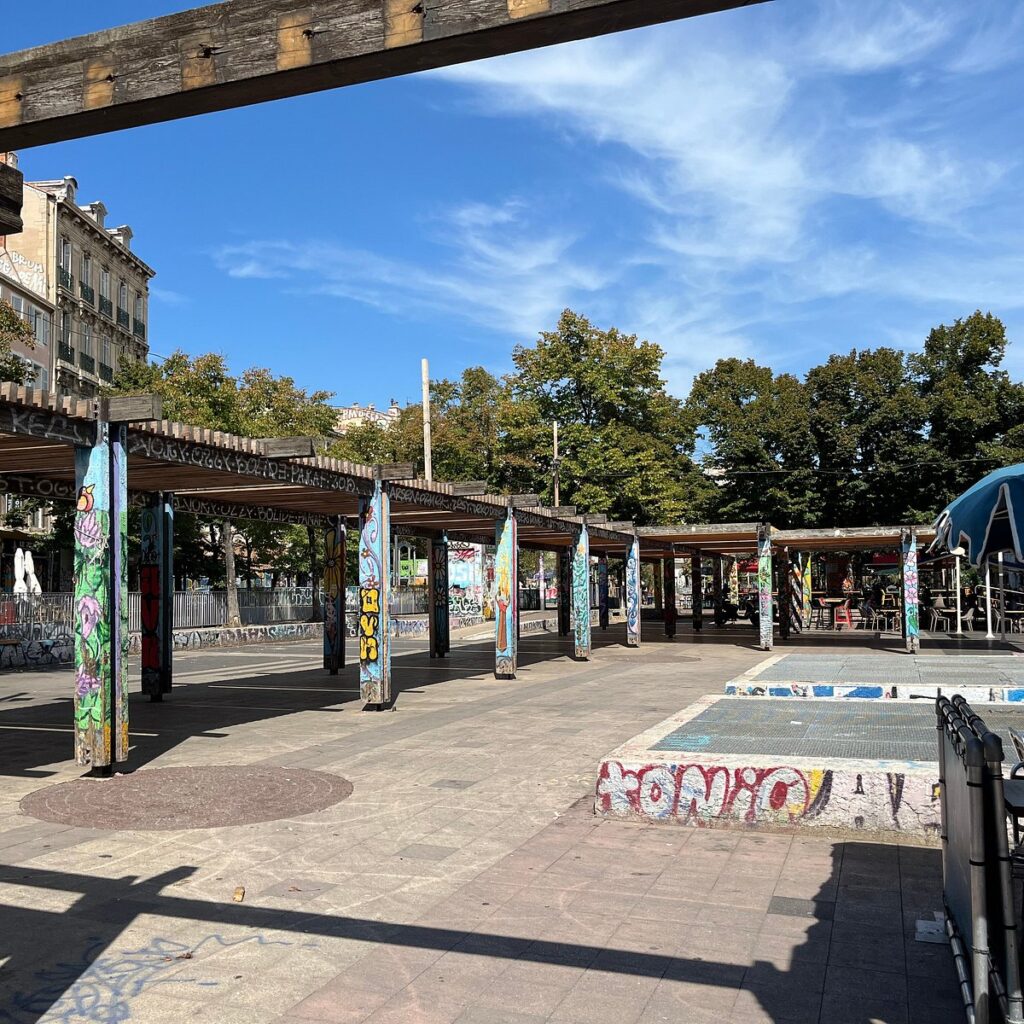
For a taste of Marseille’s hip, bohemian heart, head to Cours Julien. This lively square and the surrounding streets are the epicenter of the city’s alternative culture.
The area is a giant open-air gallery, with incredible and ever-changing street art covering almost every wall, shutter, and staircase.
The square is filled with people lounging on the steps of the central fountain, surrounded by funky bookshops, record stores, vintage clothing boutiques, and some of the city’s best cafes and ethnic restaurants.
The vibe is young, creative, and relaxed. Exploring Cours Julien is the best way to experience Marseille’s contemporary, artsy neighborhood scene.
10. Visit the Historic Abbey of Saint-Victor
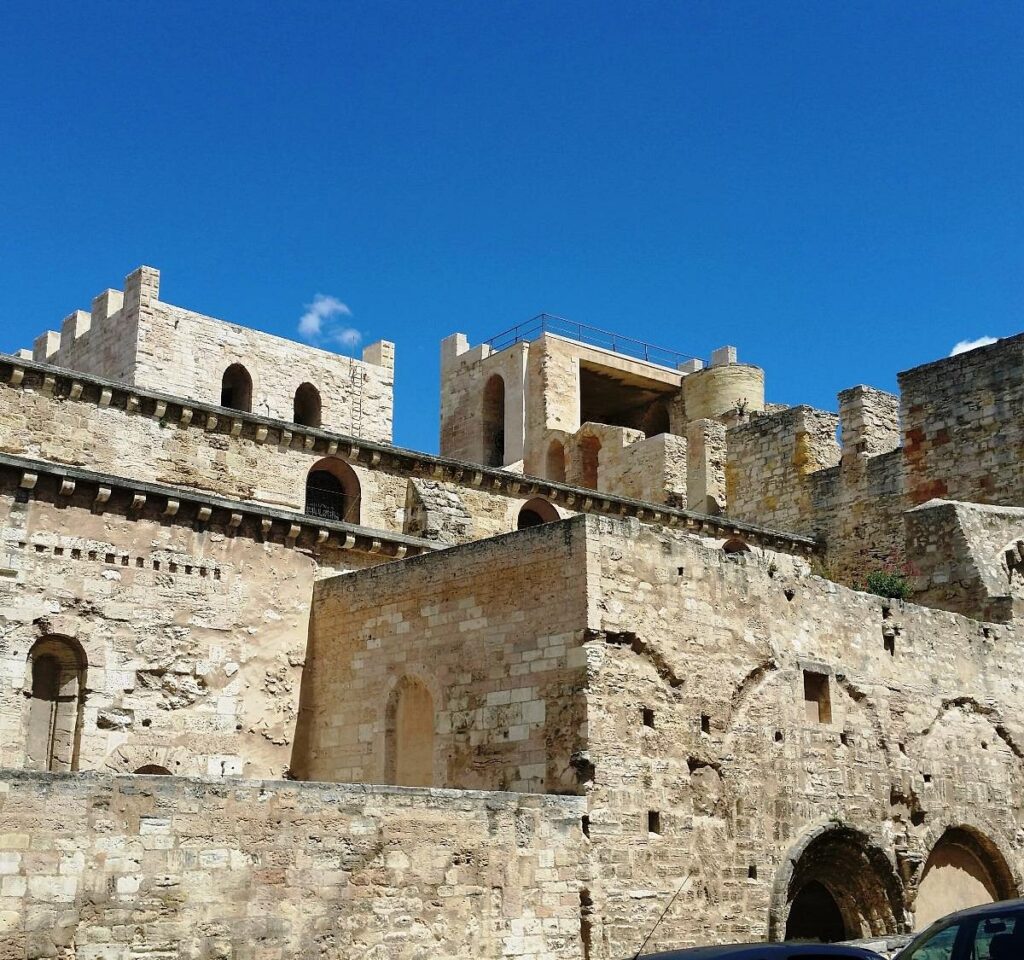
Dive deep into Marseille’s early history at the Abbaye Saint-Victor. Founded in the 5th century, this fortified abbey is one of the oldest sites of Christian worship in France. It feels more like a stark, powerful fortress than a delicate church. The real intrigue lies downstairs in the crypts.
Here, you’ll find an extraordinary collection of early Christian sarcophagi and the relics of Saint Victor, a Roman soldier martyred in Marseille.
The atmosphere is cool, quiet, and heavy with ancient history. Every year on February 2nd (Candlemas), the abbey hosts a famous festival where special breads, called navettes, are blessed and distributed.
Visiting this abbey offers a profound connection to the city’s ancient roots and is a fascinating historical site in Marseille.
11. Take a Day Trip to the Frioul Archipelago
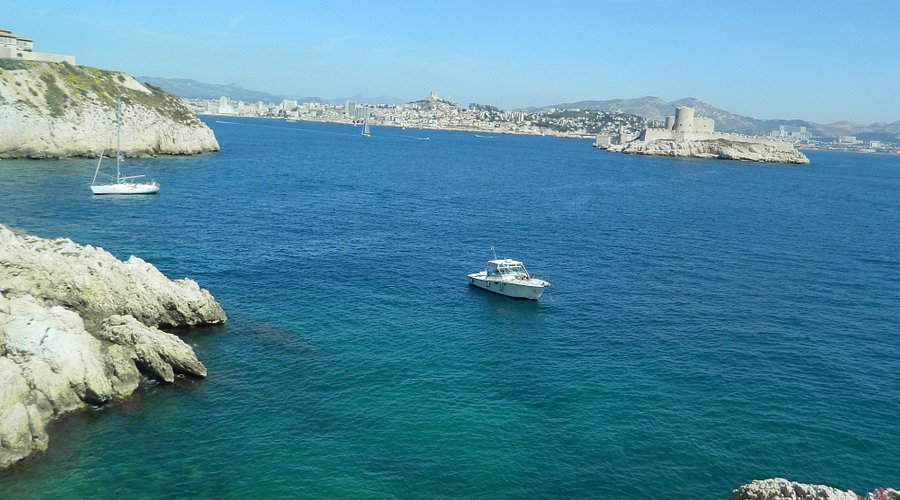
Just beyond the Château d’If lies the Frioul Archipelago, a group of four rugged islands with a totally different vibe.
The ferry from the Vieux-Port will take you to the main island, Ratonneau, where the port village of Port Frioul awaits. The islands are known for their unique, wind-sculpted limestone landscapes, rare plants, and crystal-clear coves.
You can spend a day hiking the well-marked trails, discovering hidden beaches like Calanque de Morgiret, and enjoying the peaceful, car-free environment.
The views back toward the Marseille coastline are spectacular. A trip to the Frioul Islands is a perfect outdoor escape from Marseille for a day of hiking and swimming.
12. Marvel at the Cathedral of La Major
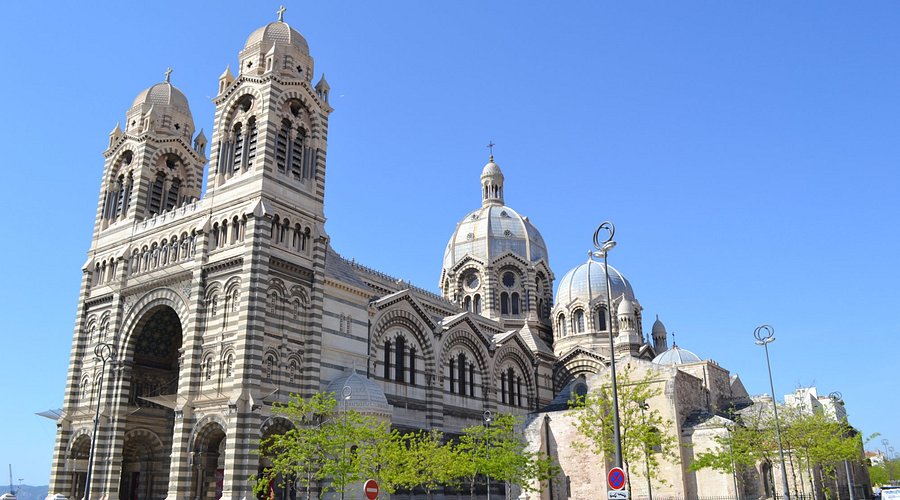
Standing proudly between the Vieux-Port and the modern Mucem, the Cathédrale Sainte-Marie-Majeure (La Major) is a monumental building that commands attention.
This 19th-century cathedral is built in a striking Romano-Byzantine style, with alternating stripes of green limestone and white marble. Its massive domes and intricate exterior mosaics are stunning.
The scale of the interior is awe-inspiring, with high vaulted ceilings, more mosaics, and beautiful marble work.
What makes it even more interesting is that it was built around the remains of a much older, 12th-century cathedral, which you can still see next to it. Visiting La Major is a quick but impressive architectural highlight in Marseille.
13. Stroll the Corniche Président John Fitzgerald Kennedy
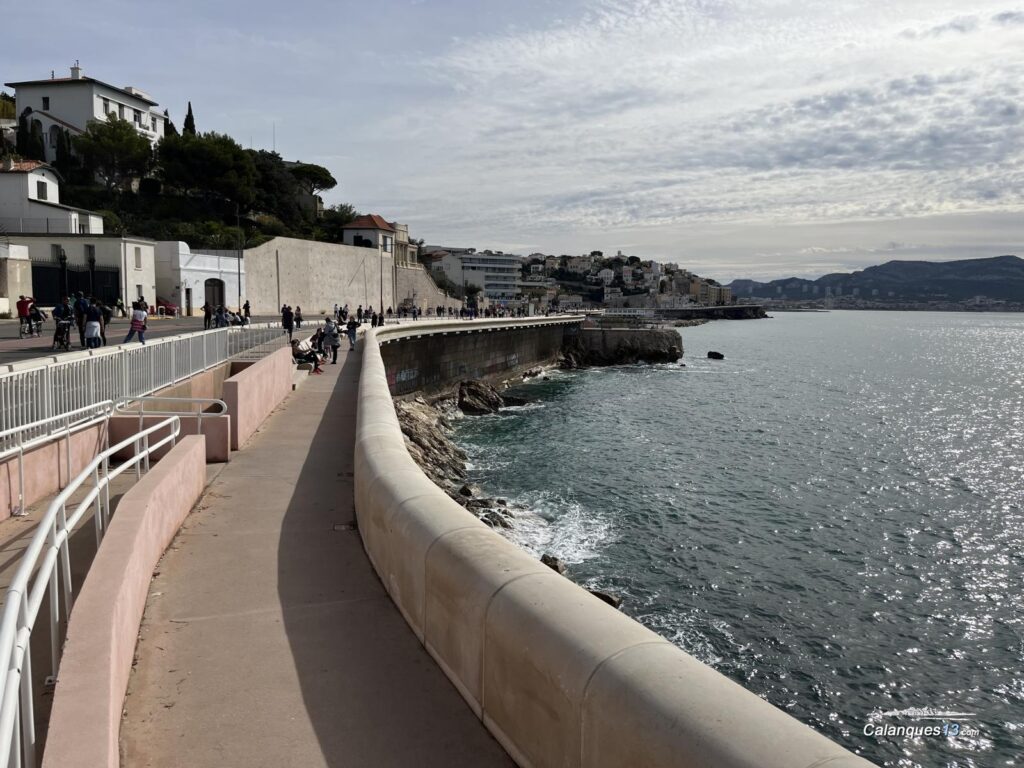
For a classic Marseille seaside promenade, walk the Corniche JFK. This scenic road and pathway stretches for about three miles along the Mediterranean coast, from the Vieux-Port to the picturesque beach of Prado.
It’s a favorite spot for locals to walk, jog, rollerblade, or simply sit on a bench and watch the sunset over the sea.
Along the way, you’ll pass the famous Vallon des Auffes, a tiny, photogenic fishing port tucked into a rocky inlet, filled with traditional pointus. Further along are popular rock-climbing spots and the Plage des Catalans, the city’s oldest beach.
A walk on the Corniche is a lovely, relaxing way to soak up the Meditteranean atmosphere and is a must-do scenic walk in Marseille.
14. Explore the Market of Noailles
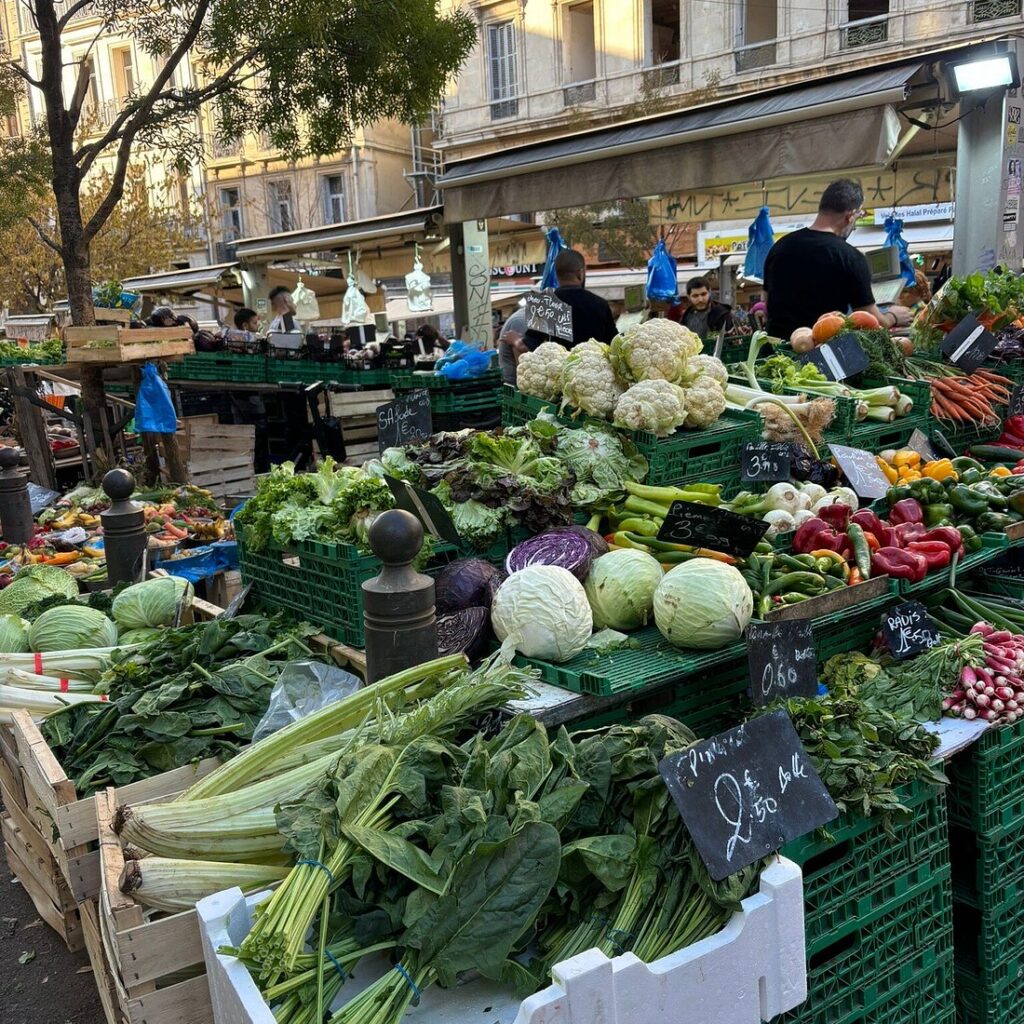
For a full sensory immersion into Marseille’s multicultural soul, dive into the Marché de Noailles. This isn’t a tidy tourist market; it’s a bustling, noisy, and vibrant neighborhood market where the city’s North African, Comorian, and Vietnamese communities shop.
The air is thick with the scent of spices, incense, fresh produce, and frying snacks.
You can find everything from exotic fruits and vegetables to bolts of colorful fabric, traditional pottery, and a dizzying array of spices and dried goods.
It’s the perfect place to grab inexpensive and delicious street food. Exploring Noailles is an adventure for the senses and offers the most authentic taste of Marseille’s famous diversity.
15. Relax at the Parc Borély
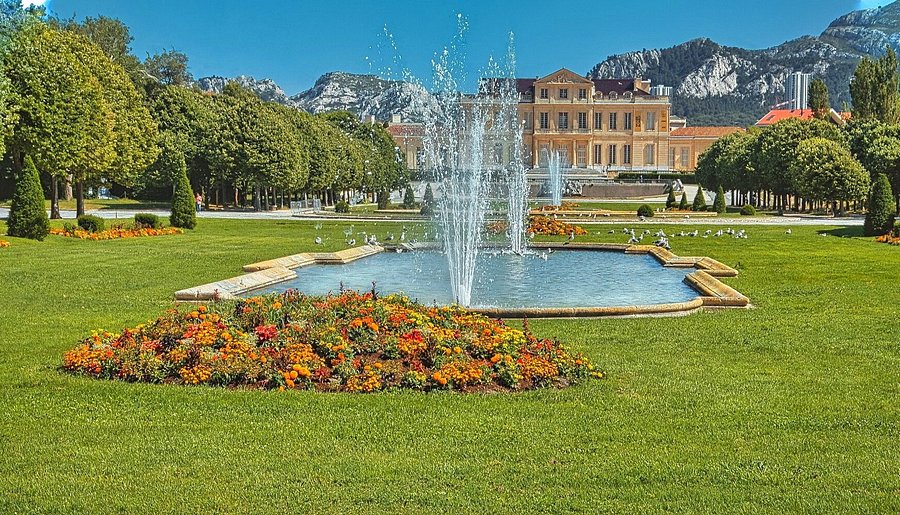
Need a green escape? Parc Borély is Marseille’s largest and most elegant park. Located near the beaches of the Prado district, it features a classic French formal garden, an English landscape garden, a botanical garden, and a large lake where you can rent paddle boats.
At its heart is the beautiful Château Borély, which now houses the Musée des Arts Décoratifs, de la Faïence et de la Mode.
It’s a favorite weekend spot for families and friends to picnic, play sports, or simply relax under the shade of ancient trees.
The park stretches all the way to the sea, offering a perfect blend of curated nature and coastal access. A visit to Parc Borély is a peaceful and popular local activity in Marseille.
16. Hike the Dramatic Calanques National Park
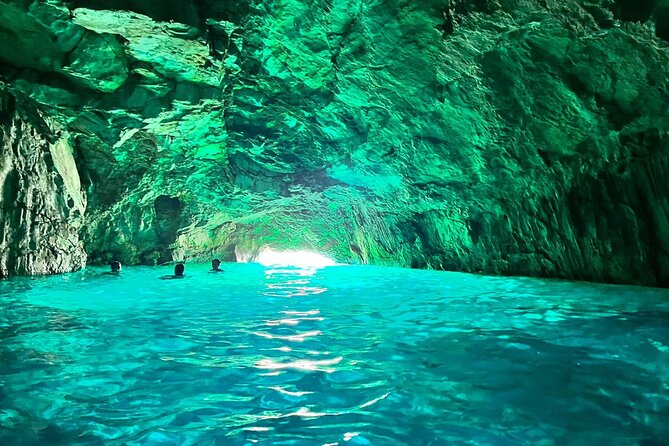
Prepare for nature’s masterpiece. Just southeast of the city lies the Parc National des Calanques, a unique and protected area of stunning white limestone cliffs, deep fjord-like inlets (calanques), and hidden beaches with turquoise water.
It’s a paradise for hikers, climbers, and kayakers. The contrast between the rugged, arid cliffs and the vivid blue sea is unforgettable.
You can hike to accessible calanques like Calanque de Sormiou or Calanque de Morgiou, where small fishing cabanons dot the shore. For a swim in paradise, the Calanque de Sugiton is a popular choice.
Remember, it’s a protected park: bring water, wear good shoes, and take all your trash back. Exploring the Calanques is the ultimate outdoor adventure near Marseille and an absolute must for any active traveler.
Conclusion
So, there you have it—your ultimate guide to a city that’s bold, beautiful, and bursting with life. You’ve journeyed from ancient abbey crypts to futuristic museums, from a legendary island prison to breathtaking natural calanques.
Marseille is a city that rewards the curious traveler, offering layers of history, culture, and stunning scenery around every corner.
Now, it’s your turn to write your own story. Will you hike to a hidden turquoise cove or get lost in a neighborhood of street art? Will you explore a majestic basilica or wander a bustling multicultural market? The best Marseille trip embraces its glorious contrasts.
Don’t just read about these incredible places to visit in Marseille—start planning your Provençal adventure.
Book your ferry to the islands, pack your best walking shoes (and swimsuit!), and get ready to discover the fierce, welcoming, and unforgettable soul of the Mediterranean. À bientôt à Marseille! What will you explore first?